
Pneumatic Chuck vs Hydraulic Chuck: Which One Should You Use?
Introduction — Why the Right Chuck Matters
In high‑precision CNC turning and machining, the chuck is the critical connection between the spindle and the workpiece. Its performance directly impacts clamping reliability, machining accuracy, cycle time, and operator safety. Among the most common types of power chucks are pneumatic chucks and hydraulic chucks. The right choice depends on your application requirements—especially for manufacturers, machine builders, and automation integrators.
How Each Type Works
Pneumatic Chuck
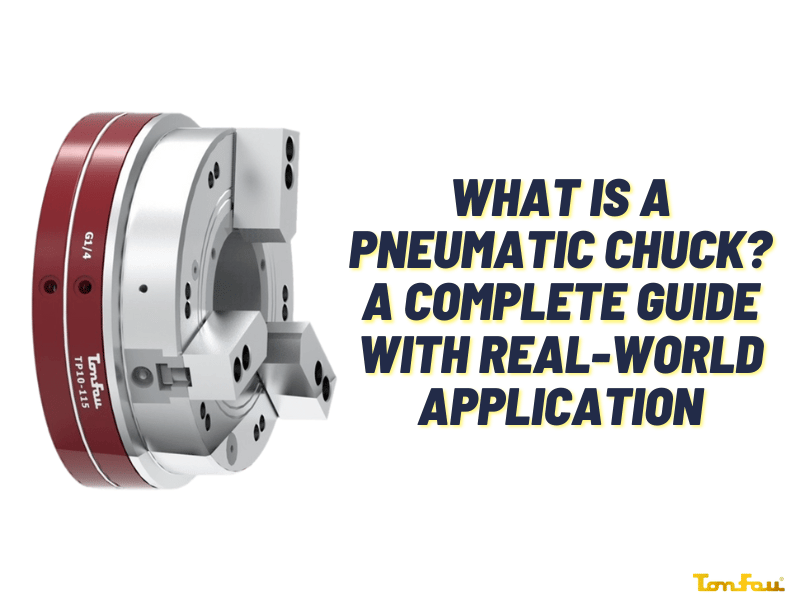
- Uses compressed air to actuate the jaws
- Provides very fast clamping and unclamping cycles
- Simple, clean, and requires minimal maintenance
- Best for high-speed, light-to-medium duty machining tasks
Hydraulic Chuck
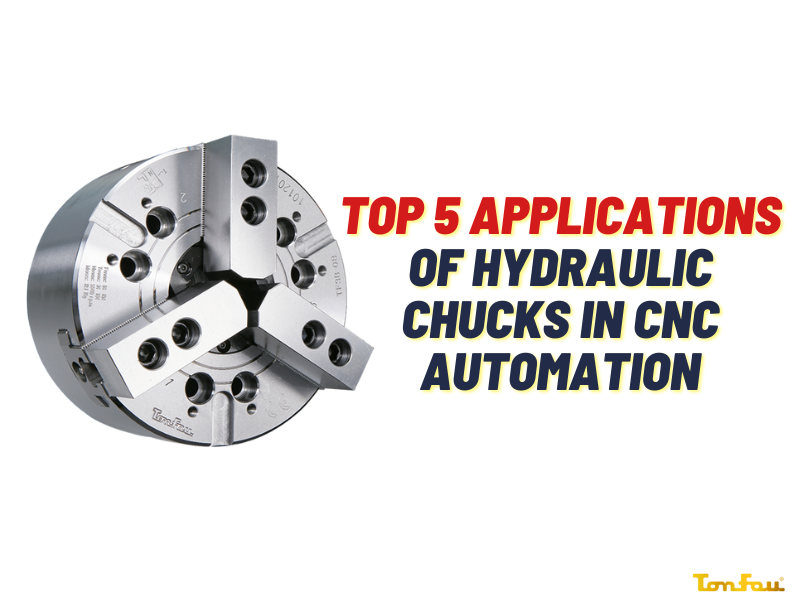
- Uses hydraulic fluid to drive internal components and generate clamping force
- Provides high clamping force and better rigidity—ideal for large workpieces or heavy cutting loads
- Requires a hydraulic power unit and regular maintenance
- Best for heavy-duty machining, roughing, or interrupted cuts
Key Differences at a Glance
| Feature | Pneumatic Chuck | Hydraulic Chuck |
|---|---|---|
| Clamping Force | Moderate | High (suitable for heavy-duty operations) |
| Actuation Speed | Very fast | Somewhat slower |
| Maintenance & Cleanliness | Low, clean, no oil leaks | Requires hydraulic fluid, higher maintenance, risk of leaks |
| System Setup Cost | Lower (air only) | Higher (hydraulic system needed) |
| Ideal Use Cases | Light to medium-duty, high-speed, automated jobs | Heavy-duty cutting, large parts, abrasive or tough materials |
When to Use a Pneumatic Chuck
- Your workpieces are small‑to‑medium sized and don’t demand heavy clamping force
- You prioritize short cycle times, quick clamp/unclamp, and high throughput
- Your production environment needs to stay clean and oil-free
- You want minimal maintenance and simpler setup
- You integrate with automated systems, bar feeders, robots, or high‑mix production lines
Typical applications: fasteners, light mechanical parts, high-speed aluminum or plastic machining, automated small‑part production.
When to Use a Hydraulic Chuck
- Your workpieces are large, heavy, or require strong clamping force
- Machining involves roughing, heavy cuts, interrupted cuts, or tough materials
- Stability under load and rigidity are critical
- Your machine already includes a hydraulic power unit
- You need consistent clamping pressure across long production runs
Typical applications: automotive crankshafts, heavy‑duty shafts, large flanges or castings, structural components, steel fabrication.
Learn more:
Top 5 Applications of Hydraulic Chucks in CNC Automation
Thru-Hole vs. Non-Thru-Hole Power Chucks: How to Choose the Right One for Your CNC Lathe?
Choosing Based on Your Production Needs
When deciding between pneumatic and hydraulic chucks, consider:
- Workpiece size and material
- Required clamping force and stability
- Cycle time and production speed target
- Maintenance capacity and cleanliness requirements
- Integration with your existing machine systems (air vs hydraulic)
- Total cost of ownership, including upkeep, downtime, and flexibility
There is no one-size‑fits‑all — the best chuck system is one that aligns with your production goals, shop environment, and long-term reliability.
About TON FOU — Your Trusted Chuck Partner
TON FOU, founded in 1989 in Taiwan, specializes in high‑precision power chucks, collet chucks, and rotary hydraulic cylinders for CNC lathes and turning centers. With decades of experience, we deliver reliable, high-quality clamping solutions tailored to various machining demands. From light‑duty pneumatic-style setups to heavy‑duty hydraulic configurations, we support manufacturers and machine builders in selecting the right system for their needs.
Ready to Talk About Your Application?
If you’re designing a new CNC line, upgrading your chuck system, or unsure which chuck type suits your needs — we’re here to help.
Contact TON FOU for expert advice or customized chuck solutions for your specific production line.