

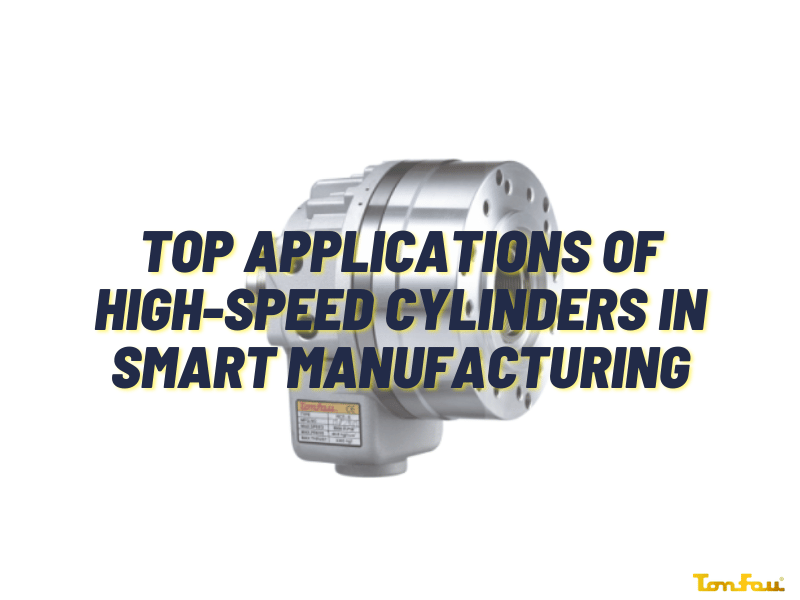
Unpacking High-Speed Cylinder Design Challenges and Material Selection: Balancing Performance with Durability
In the world of industrial automation, high-speed cylinders play a vital role in systems where speed, precision, and reliability are non-negotiable. From robotics to packaging and semiconductor equipment, these components are engineered to perform thousands of strokes per minute while enduring demanding workloads. But designing a high-speed cylinder isn’t just about speed—it’s about finding the perfect balance between performance and durability.
1. The Core Challenge: Speed vs. Wear
High-speed operation introduces significant mechanical stress on every moving component. Friction, vibration, and thermal expansion can drastically shorten the lifespan of a poorly designed cylinder. The main challenge lies in maintaining performance without accelerating wear or compromising structural integrity.
At high cycle rates, internal components such as pistons, seals, rods, and bearings experience intensified loads. Even micro-imperfections in design or material quality can cause premature failure, making robust engineering and high-precision machining essential.
2. Seal Integrity and Heat Generation
Seals are among the most vulnerable components in high-speed cylinders. As piston speed increases, the risk of seal abrasion and leakage rises dramatically. Heat generated by high-speed friction can degrade conventional rubber seals or compromise lubrication layers, leading to rapid performance loss.
To combat this, manufacturers often adopt advanced sealing materials like PTFE (polytetrafluoroethylene) blends or ultra-low friction coatings that retain their sealing properties under extreme conditions. Additionally, innovative seal designs that reduce drag while maintaining airtight performance are becoming increasingly popular.
3. Material Selection: Lightness, Strength, and Heat Resistance
Choosing the right materials is critical to the success of a high-speed cylinder. Some key considerations include:
- Piston Rods: Typically made from hard chrome-plated stainless steel or nitrided alloys to resist corrosion and surface wear.
- Cylinder Tubes: Lightweight yet strong materials such as aluminum alloy are preferred for responsiveness, while stainless steel or composite tubes may be used in corrosive environments.
- End Caps and Mounting Hardware: Materials like anodized aluminum or high-strength polymers help reduce weight while ensuring structural integrity.
Every gram matters in high-speed systems. Reducing mass improves acceleration and deceleration, which can improve cycle times and reduce shock loads.
4. Tolerances and Precision Engineering
Precision is not optional in high-speed applications. Even small deviations in tolerances can result in vibration, misalignment, or inconsistent performance. As a result, advanced CNC machining, tight quality control, and surface treatments such as hard anodizing or polishing are widely used to enhance performance and lifespan.
Additionally, incorporating damping elements or buffers within the design helps manage impact loads during end-of-stroke deceleration, further protecting internal components from wear.
5. Lubrication and Maintenance
High-speed cylinders demand specialized lubrication strategies. Traditional grease or oil may not suffice, especially in clean environments like food processing or semiconductor facilities. Dry lubricants or built-in lubrication channels are often required to ensure consistent operation without contaminating surrounding equipment.
Predictive maintenance is also essential. Sensors and feedback systems can monitor cylinder speed, pressure, and stroke count to identify signs of wear or failure early, reducing unplanned downtime.
Conclusion: Performance Without Compromise
Designing high-speed cylinders involves more than scaling up speed—it requires a thoughtful approach to materials, precision, thermal management, and longevity. By carefully balancing these elements, manufacturers can deliver cylinders that operate reliably under extreme conditions, providing the high throughput and performance modern industries demand.
As technology advances, the future of high-speed cylinder design will likely include more lightweight composites, smart sensing elements, and even adaptive damping mechanisms—all aimed at extending service life while pushing the boundaries of speed and performance.